Kim Keller: Do More Ag
Mental health issues in agriculture
May is Mental Health Awareness Month. For that reason,we won’t talk much about tech and instead focus on one of the most human of issues - mental health.
People who work in agriculture, especially farmers, are under a lot of stress and anxiety. Everyday in India, 28 people dependent on farming commit suicide, and most of them are farmers. But this problem does not exist exclusively in developing countries. Canada and the US also have their share of mental health issues in the farming community. According to a University of Guelph study (2015), which looked at 1,100 producers (farmers):
- 45% of respondents had high stress.
- 35% had depression.
- Resilience, popularly believed to be a strength among producers, is lower among two-thirds of the respondents than it is among a comparative U.S. population.
The study also found that farmers of the survey associated a stigma with accessing mental health treatment, as:
- 40% felt uneasy about getting professional help “because of what people might think”.
- 31% said seeking professional help could stigmatize a person’s life.
- Fewer than half believed there is adequate mental health support from the industry.
In the last few years, the attitude in the farming industry and its community has changed dramatically (for the better), at least in Canada. A large part of the change is a result of the work done by organizations like “Do More Ag”, which provides training programs, resources, connection to professional help, and industry partnerships in order to address some of the problems farmers face.
I recently had the opportunity to talk with Kim Keller, the co-founder of “Do More Ag”, about prevailing issues, why they occur, how the environment has changed, and what her hopes are for the future. I hope Kim’s passion and commitment to help her community comes through in this edited and annotated conversation.
Important disclaimer: This conversation should not be considered mental health advice. Please consult a professional if you need any help with mental health issues or need counseling/therapy. You can refer to conversation notes at the bottom for mental health resources.
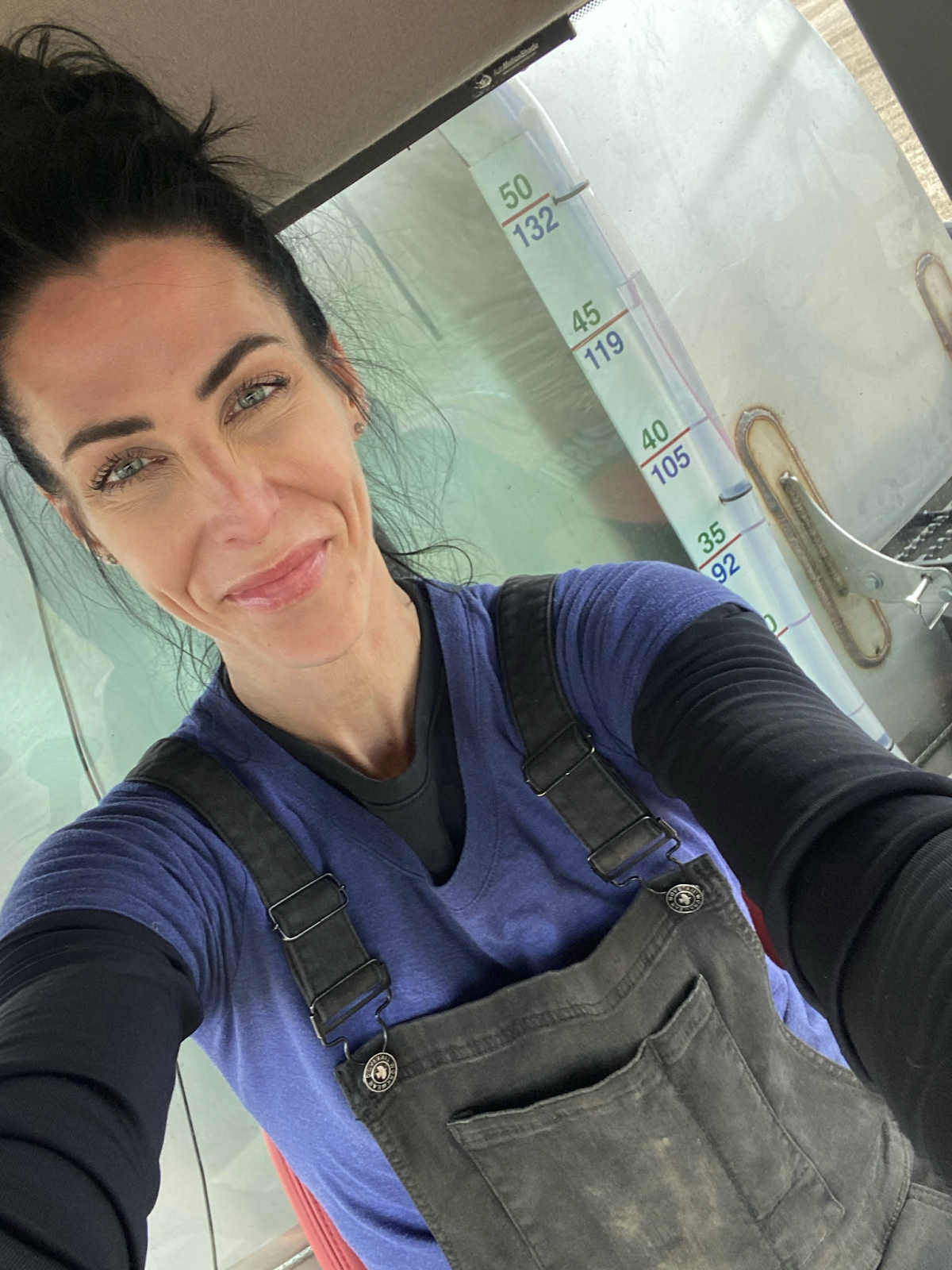
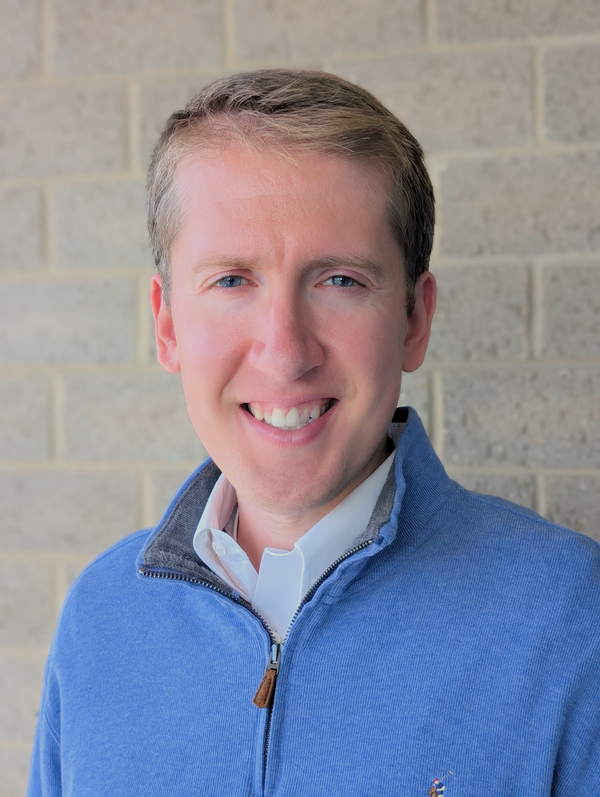
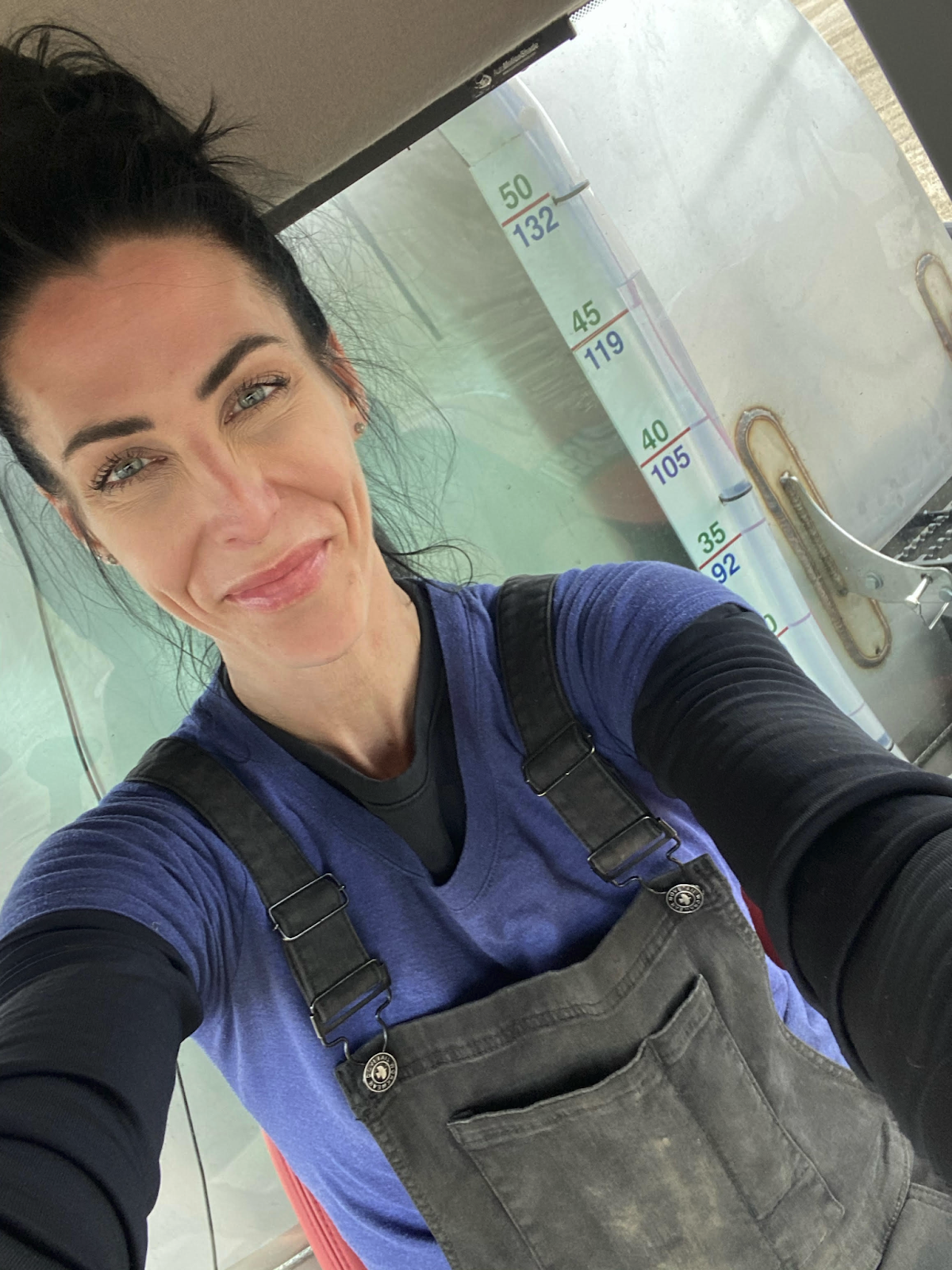
Kim Keller (Photo provided by Kim Keller)
Kim and Do More Ag foundation
Rhishi Pethe: I want to know a little bit more about your background. What was the motivation behind starting the “Do More Ag” organization?
Kim Keller: I'm a farmer. I farm with my parents and my brother in Northeast Saskatchewan. I grew up on a farm with my parents. But I hated it. There was no way I was going to farm or have anything to do with it.
I went to university and completed a degree in 2006. In 2011, I saw one of my friends farming with her dad. A light bulb went off. I didn't realize I could farm with my family.
During the same time, I co-founded an agtech company in Vancouver. We were building our team with people with no farming background.
One particular harvest was a tough harvest. It was wet. Everyone was getting stuck. People were wrecking equipment because they were getting stuck.
One of my friends called me and she said they had lost their neighbor to suicide. I shared the story with my team as we had talked a lot as to what a farmer goes through. It was pretty incredible to watch a team of people who had no background in agriculture except through our company, connect so closely with farmers and say, “Do you think we can do something?”
In 2015, we launched a T-shirt campaign. It was to bring awareness around where food comes from. We donated the proceeds to a farm stress line in Saskatchewan for farmers, farm families, and rural people to call when they are experiencing a mental health crisis. We called a lot of big ag companies in Canada and said “Do you want to participate? Do you want to sponsor and we can put your logo on it?”
Quite a few of them said, “We want nothing to do with this conversation. You should not be talking about this. We're trying to make agriculture look positive and you're bringing us down.”
But then we had a handful of companies say, “This is important.” We did that campaign and donated over $ 7,000 to the farm stress line, which was way more than we ever thought we could.
My co-founder sold that Ag Tech company in 2016 and I came back to farm full-time.
In the summer of 2017, I received a Twitter message from someone I had no idea who they were. They had just lost one of their farming clients to suicide. They were looking for help for the family. They wanted help for other clients who were under an immense amount of pressure and stress.
I didn't know what to do. There was nothing I could give him. Nothing had changed in terms of resources or support. I got really pissed. I drafted a bunch of tweets. The next morning I took a screenshot and sent them to my co-founder. I said, “Do you think it's okay if I send these out?” He said I should.
The floodgates opened and people wanted to talk and to share. The dam had burst. Everyone was sharing. I got hundreds of messages from farmers over the next months sharing their stories.
“This is what I'm going through. This is what my family is going through.”
They talked about how much they needed help or were looking for help. It was incredible and it took off. Lesley Kelly, who is a farmer and a blogger, Kirk Muyers, who was from a farming family and is a curler, and Himanshu Singh , who is my co-founder from Farm at Hand came together to start the foundation. We had no idea what it was going to be other than we wanted to help farmers.
We wanted to respond to those tweets and do our part. We formally launched in January 2018. It's been three years and we have grown rapidly. We see the demand for mental health conversation, resources, and awareness.
State of mental health in farming - Stress and Stigma
Rhishi Pethe: So it was a sequence of unfortunate events, which led you to this. It must have been overwhelming.
Kim Keller: I thought I was going to get raked over the coals for bringing this conversation up back in 2017. I was ready to be dragged through the mud. I realized, if I do, it's fine.
There are certain messages I think about every week. There are so many farmers who were looking for a safe place to share what they were going through. Our inboxes were flooded with messages. When we didn’t get the support we thought we would, I would always go back and look at those messages. It was an attitude of unbearable stress, unbearable pressure. Suicide was the cost of doing business in agriculture. There was something in me that switched, “Enough is Enough. It is no longer acceptable.”
Rhishi Pethe: When you went and talked to some of these companies, they said they wanted to stay away from it because they want to portray a positive image of the industry. What's the motivation behind it?
Kim Keller: There's been a huge shift. Back in 2015, the majority of the companies wanted nothing to do with it because it was seen as something negative. You didn't talk about mental health, but it is not the case anymore.
In two years, I haven't heard that from a single company. In fact, I would say more companies are saying we have to deal with this. We have to support our primary producers, and our employees. If you deal directly with a farmer, you often hear about what they are going through. There has been a huge shift in terms of industry support. In 2015, I don't know if I ever went to an ag event and there was a mental health section. Now you can go to an ag event and there's someone speaking on mental health, whether it's sharing an experience, or giving some guidance. It is incredible.
Rhishi Pethe: What do you think has caused that switch?
Kim Keller: There are a lot of things. In Canada, we have Bell Let's Talk. It is a campaign that happens across Canada, to talk about mental health. It has been going for a few years. As more people talked about it, the stigma got chipped away.
2016 was a hard farming year. Since 2017, we have seen different industries speak up about mental health. It was the right time. People were ready to and needed to talk. The industry had reached a breaking point.
https://twitter.com/domoreag/status/1372956817366523905?s=20
Rhishi Pethe: I saw studies done in Canada from the University of Guelph that the mental health problems in farming are higher by many percentage points compared to other industries. What is the reason for this?
Kim Keller: I'm not a mental health expert. I would encourage you to dive more into the data.
We have some unique things we don't see in other industries. One is where we are located. We farm in rural remote areas. It means our access to in-person resources is limited. I live two hours from the nearest big city. To go in for a psychiatrist for example to Saskatoon would take an all day trip. The mentality in agriculture is to pick yourself up by your bootstraps. You don't complain, you get your work done.
We wear working long hours as a badge of honor. The longer we work, the more proud of it we are. That leads to burn out and exhaustion. I always joke that one of the best, and one of the worst parts of farming is working with your family every day. There's very little separation between the farm and the rest of your life. You live on the farm, you work on the farm, you don't leave the farm.
It's your job. It's a lifestyle. You are typically taking care of multiple generations with a farm. There's a lot of pressure on younger farmers to not make any decisions to put the farm at risk. Your great-grandpa, your great-grandma, your grandparents and your parents built all this. It’s often not just a farm you’re taking care of, it’s someone’s legacy or identity as well. You feel pressure to not let down multiple generations. Many things impacting your financial well-being are out of your control.
They take a toll.
You put all those things together and you have a perfect storm. If you don't have the coping mechanisms, if we've never, as an industry, talked about mental health, how in the world would we ever have learned to deal with those types of stressors?
So they add up and compound until we end up in unhealthy situations mentally and/or physically.
Rhishi Pethe: Do you think that stigma is going down now? It looks like it's a cultural problem.
Kim Keller: Initially, we were pushing the conversation around mental health. Now conversations happen and we're not even a part of it. They happen online, at coffee shops, and at kitchen tables. They are becoming a regular part of people’s lives across the industry. That's a huge signal that we are making a dent and making a change in the stigma around mental health and mental illness in agriculture.
Programming and Support
Rhishi Pethe: I read that farmers are more likely to participate in programs, offered by providers, familiar with agriculture. How is your programming different?
Kim Keller: One of our programs is a 4 hour workshop, Talk Ask Listen,and is specific to agriculture. We talk about what a farmer or someone working within agriculture would be going through. Everything we talk about in terms of what a day in the life is, or case studies, different coping mechanisms, they're all relevant to the industry. We will also be offering a literacy program for mental health providers. It includes mandatory learning hours, and a certification program. There is nothing worse than calling into a crisis line or reaching out for help, and then spending your time telling the person on the other end, what farming is, how farming works, why you can't walk away for a week, why you are experiencing those stresses, etc. So that literacy program does work to ensure that when someone calls and someone finally reaches out for help, that the person on the other end is able to listen with that understanding in that context, but also provide. recommendations or provide guidance that is relevant and fits into their life as a primary producer or someone working in the industry.
Rhishi Pethe: Do you think it has made it easier to enter and exit farming? If something doesn't work, you take it less of a personal failure.
Kim Keller: As a farmer, our identity is wrapped up in being a farmer. I had an agtech startup. I had been at it for only four years. When I left the company, I felt it was my identity and I felt lost. I can't imagine working your entire life and building a farm and then leaving that farm or selling it, or going through that transition. It would be incredibly hard.
There are more resources and more conversations happening. There's less of a feeling you're alone. You share that burden and people help you through that.
In terms of entering farming, there's many barriers. It is expensive to get into farming. There's not been any change at all. I hope that we see slowly, but surely that agriculture becomes a more attractive industry to join, whether that's as a primary producer or someone working in one of the support services.
Rhishi Pethe: You have professionals with their own mental health training. You provide additional context so they can provide a service relevant to the person who's on the other side. Could you talk about these half-day sessions and the two-day program?
Kim Keller: There are two different programs we offer through our Community Fund. We offer a Community Fund to all farmers and rural communities across Canada to receive mental health training. They can apply to take either Talk Ask Listen or Mental Health First Aid. People can apply for our programs, and The Community Fund covers all costs associated with the training and it’s made possible through our sponsorship from Farm Credit Canada and our other partners throughout the Ag industry.
There is a 4 hour workshop that we developed called “Talk Ask Listen.” We developed Talk Ask Listen specifically for Agriculture and those working in this industry.It has a little bit of the technical, a little bit of the clinical and a lot of practical and ready to apply skills. It focuses on agriculture. It focuses on how to have hard conversations. There is role playing to not find yourself in a potentially toxic or dangerous situation. It teaches how to have boundaries, which is always tough on a farm. We talk about self care. It is not all clinical, but people can learn and start to implement changes in their relationships or day-to-day lives.
Rhishi Pethe: Is the two-day program for producers?
Kim Keller: There is a 2 day program called Mental Health First Aid that is a similar offering to physical first aid, except it focuses on mental health. This training is not agriculture specific, but is also very valuable. It is created and managed by the Mental Health Commission of Canada. Anyone in Canada can take that.
Rhishi Pethe: Do you see producers take part in these programs? What is the mix of the people taking advantage of these programs?
Kim Keller: We have a good mix. There are producers. There are people who work with producers. It is important that everyone takes these types of training as farmers don't farm on their own. It is a team sport. It is important that it's not just the farmer taking this training, but it's everyone that would work as a part of that farm team, supporting them or doing business with that farm or in that community. Everyone can benefit from mental health training. Typically the very first person we apply this training to is ourselves.
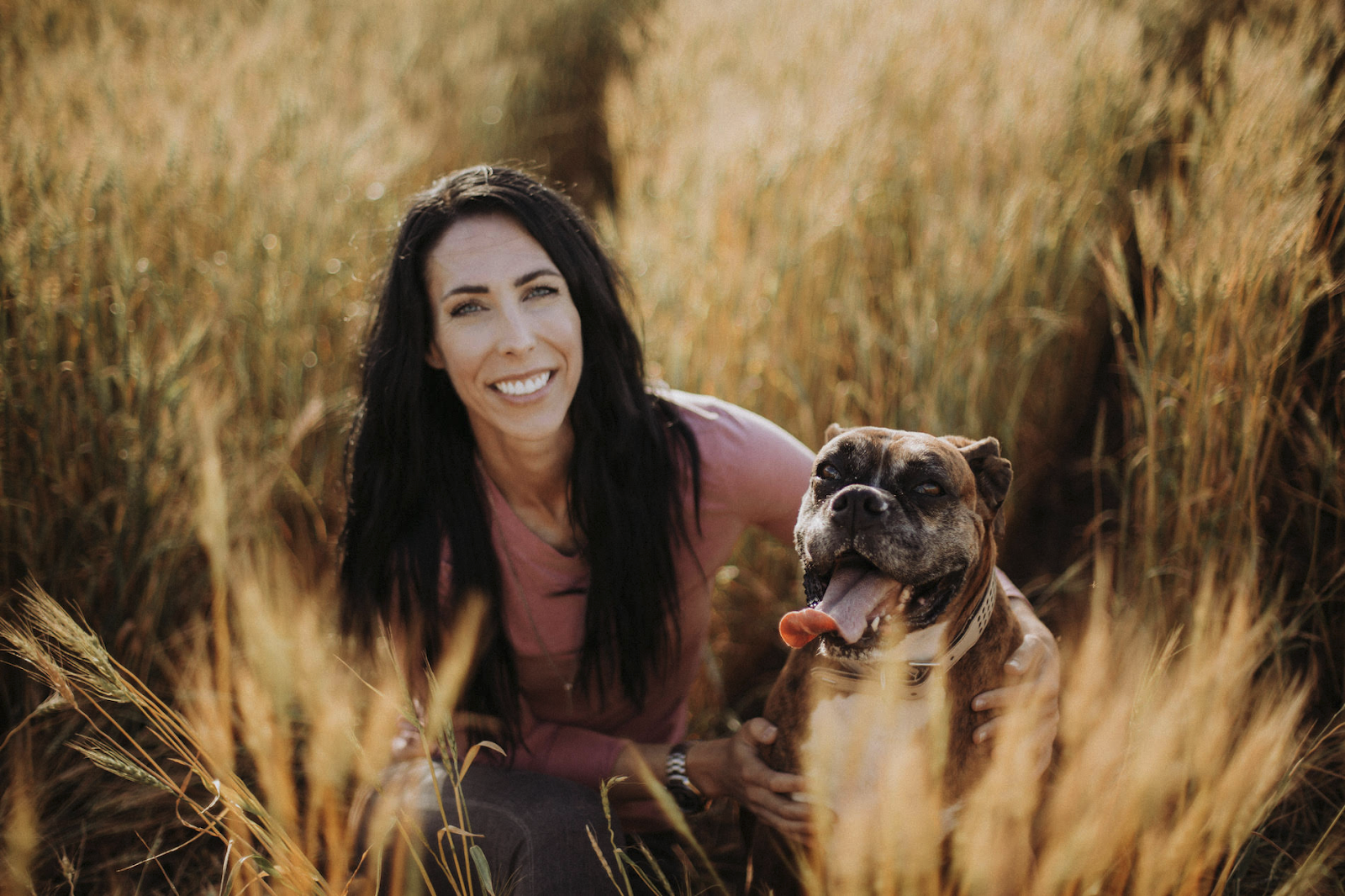
Kim Keller (Photo provided by Kim Keller)
Rhishi Pethe: I looked at your partner page and every agriculture company in the world is there. Can you talk about their involvement? What kind of resources and support do they provide? How do you collaborate with them?
Kim Keller: Oh man, we are lucky. I feel incredibly fortunate to have supportive partners . We have new partners coming on all the time. It is fantastic to see an industry put their money where their mouth is. The collaboration depends on the partnership level. We might do fundraisers, for example to help with a community fund. We do collaborations in terms of writing articles, or speaking at events, co-branding. Anything that the partner brings to us, and wants to try it, we will figure out how to do it. Lot of partners are direct competitors with other partners and it is pretty incredible to see them come together and work as partners for mental health. It speaks volumes to the partners and the cause that we're working towards.
Rhishi Pethe: Women or people of color, seem to be under more stress than your typical farmer here in the US or Canada. Do you see that and do you have any special programming?
Kim Keller: I do think that the challenges and stressors, while there may be some that are the same, there's also some that are different. We are currently developing a research project to explore the types of resources and support needed by different demographics within our industry.
At this time we don't have any different support for different demographics, but we're exploring what to offer and how to offer those different types of support. We do understand that everyone experiences agriculture differently. We play different roles and it's not one size fits all. We're going down the path to explore the different resources needed. If you ask me again next year, I'll probably have a different answer for you.
Rhishi Pethe: I am super excited. People who do row crop farming in the US and Canada, often work another job. What does that do to somebody's mental health or stress level?
Kim Keller: It is a path a lot of farmers take. I work another job. If you are working one job, which is farming, which is typically more than full time, and you are having to work another job to be able to farm, it at times becomes a lot to handle
Some days you wish you didn't have to do it, but on other days it provides you the financial security you need. It allows you to build your farm. Hopefully you don't have to work two jobs all the time.
Rhishi Pethe: I am guessing it ups the stress level.
Kim Keller: It depends on the job and the flexibility of your employer. It definitely does add to the stress because you feel, “I have to do these things at this job, but these things have to happen at the farm.” The farm is tough to schedule as it doesn't run on a nine to five, Monday to Friday schedule.
Rhish Pethe: What kind of feedback do you hear from people who have gone through your program? What changes do they want?
Kim Keller: We are working on launching a pilot for Ag literacy certification for mental Health professionals that isn't out yet. Talk Ask Listen has received a ton of feedback and the majority of the feedback is overwhelmingly positive. To date we have had almost 2000 people receive our Talk Ask Listen training.
The reason to create a half day workshop was twofold. People find two days hard to commit to for Mental Health First Aid. Many people wanted agriculture specific information, but they also wanted more information about how to have those hard conversations, how to have boundaries, and do self care.
So that's why we created “Talk, Ask, Listen.” The majority have said, “time very well spent.” When it comes to “Talk, Ask, Listen”, we hold our facilitators to an incredibly high standard. The requirement to be a “Talk, Ask, Listen” facilitator is to be a mental health professional. The feedback on our facilitators is good. We're always improving and updating our content.
Mental health is about finding strategies and coping mechanisms. We want to make sure the information we deliver is relevant and up to date.
Rhishi Pethe: Stigma is going down and these companies are willing to support. From your personal standpoint, how do you know that you are having an impact? What are the signals that you look for?
Kim Keller: I know we're making progress, as more farmers are asking for resources. It shows me that we are breaking down the stigma. We are working in the right way. We need to make sure that we have the resources for people that are ready to get that help
There is a follow-up survey from the University of Guelph [that] should show us... where we are today. COVID-19 is going to have an impact...We are seeing more companies are asking for mental health training for their employees [and] giving people the tools and the capacity to have that.
We are currently working on a proposal for a 24/7 crisis and resource for farmers across Canada with government funding. I hope that we will make progress on that very soon!
Kim’s inspirations and reactions from her family
Rhishi Pethe: What they're doing is amazing. I would love to know who are your inspirations?
Kim Keller: Often people look to famous people for inspiration. I find inspiration from each and every person in this industry.
I think about this incident a lot. I had moderated a panel and I had never talked about mental health before in that capacity. This panel was only a couple of weeks following the initial tweets I had sent out in 2017. The demographic was primarily male and over 60. I don't think there was ever a panel on mental health at a farm event before. We opened up the floor for questions. There were men lined up for mics.
I thought, “Fuck, we're going to get it.”. The first guy, he was probably in his seventies, gets up to the mic. I was expecting him to tell us to suck it up. Instead he had the courage to stand up there and say, “It's about damn time we're talking about this.” He held up both his hands. He said, “If I think about the people I've lost to suicide and I count them on hands, I run out of fingers.”
I think about that a lot, because I can not imagine the courage it took him to stand up to that mic in a room full of his peers, who have never talked about this and say that to me. That's inspiring.
There's no book or famous name that I can give you. It's the people that find the courage every single day to speak up, to get help, to support others in healthy ways, to change their farm dynamics and change your family dynamics. Those are the people that inspire me. They keep getting up every day and try to do better than the day before.
Rhishi Pethe: Wow! That blew my mind. How has your family reacted to you doing this?
Kim Keller: I would say our family was like every other family. We didn't talk about mental health. It's not that we've done a 180, but we're changing our farm dynamics. We're changing how we communicate with each other. If I'm having a day where I can't give it a hundred percent, I'm okay telling my dad and my brother, “Today my best is 50%.”
That's a normal part of our farm. We support each other and communicate differently. We take into consideration how our words might impact each other. There's been a lot of positive changes in our own farm, which I am so happy and thankful for.
My parents are very supportive. They were, “What are you doing?” They have learned that if I believe in something, I will do it. They are good at supporting me.
Every now and again, my dad will come home or I'll go to the farm and my dad will say, “I was talking to someone and they told me how much Do More has changed their life.” It makes me feel good.
If you had asked me three years ago where we would be, I would have said, “Not a chance. We wouldn't be here.” We have grown so quickly. We're running to catch up. Our team is growing. We have a full-time executive director. We have a full-time community manager. We're bringing on another full-time person.
When I say talk to me in a year my answer will be different. It could be different in six months. Things are happening and changing so quickly. It speaks to the need in our industry. We get asked a lot, “When is Do More coming to the States?” Social media doesn't have any borders. Everyone can access our information. Our exploration through the foundation is happening years sooner, than we ever would have predicted. It would be interesting for us to have this conversation again in a year and see what's changed.
Rhishi Pethe: Let us have a conversation a year from now. Best of luck!
Conversation Notes
A Farm State of Mind: Resources for mental health for producers, farmers, growers etc.
Kim Keller talks about Do More Ag on the Farm Marketer Podcast (32 minutes)
University of Guelph study led by Prof. Andria Jones-Bitton